Tuesday, 13 December 2016

Sound in Film

In 1877, Thomas Edison invented the phonograph which recorded sound that could be played back at later times. In the 1890's, Thomas Edison created the motion picture camera. However, these two inventions did not work well together as the sound could not sync with the movement, so the movies that could be played would be silent. Because there was no sound, the dialogue would be shown on screen in the form of "titles" and actors would express emotions through facial expressions and body language. A famous actor from that time period was Charlie Chaplin, despite there being no sound, the audience could always tell what was happening because of his body language and facial expressions. Because films were silent, theatres hired musicians to play music during the films. They sat in a pit below the screen and played music that would fit the mood. Then Warner Brothers had opened their first movie theatre and started spreading nationwide. In 1925, they suggested trying sound and used electricity to play music instead of hiring a live band. In 1927 the first film with sound and dialogue was made. By 1930, sound movies were just as action packed as silent films and since that day there has always been sound in film.
After watching some films and doing some research I found that films that are considered to have the beat sound include;

  • Saving Private Ryan
  • Wall-E
  • Jurassic Park
  • Eraserhead
Films that have won an Academy Award for best sound mixing include;
  • Whiplash
  • Gravity
  • Mad Max
  • Les Miserables
In my thriller opening I will focus on the sound and the atmosphere it will create and how it fill influence the audiences perceptions of the characters in the film. I will do this by using different scores/ soundtracks for different characters to give the audience an insight into the character and gives hints towards their personalities and what will happen later on in the film.

Monday, 12 December 2016

Sound Practice Task

In lesson we were given the task of putting a score over either a piece of film that we filmed ourselves or over some of a movie, despite my practice task creating a comedic effect, it shows the difference that sound can make to a film and how it can change the meaning or the atmosphere of a scene. For my practice task I added the music from Titanic (My Heart Will Go On - Celine Dion) over Quicksilver's death scene (from Avengers - Age of Ultron) this is the final result.


Wednesday, 7 December 2016

Pitch Video

As part of the planning and researching for my psychological/crime thriller film opening I needed to create a one page pitch to present it to "film commissioners" so that they will fund the film I will create. This is the pitch video that I made with me explaining the ideas for my thriller film to the 'film commisioners' (AKA Mr Welch and Mrs Rogers). I had to edit the video as well as set up the cameras and film it and I believe that that I did both of these successfully (except for Mr Welch's head being in the way of the camera whenever he leans forward). This is the final edited video, enjoy.


Monday, 5 December 2016

Film Regulation

The BBFC (British Board of Film Classification) is a non-governmental organisation founded in 1912 and responsible for the national classification and censorship of films shown at cinemas. Over the years, what has been deemed as suitable for younger viewers has changed drastically over the years. For example, horror film Revenge of the Zombies was given a X rating (equivalent of an 18) when released but when re-released in the 90's was given a U rating. The BBFC has banned films from being released in the UK but most of these have then been released with an 18 rating. An example of this was Quentin Tarantino film Reservoir Dogs which was banned from 1992-1995.
There are 5 main different age ratings that films can be given. These are;
  • U - Universal - These films are suitable for all ages.
Features of U rated films include; limited nudity,infrequent swearing (and if there is, only mild), no references to drugs or drugs misuse.

U rated films are suitable for all ages as there are no scenes in them which people would class as bad influence and would not give bad impressions to young children

Famous U rated films include;

  • Bee Movie
  • 101 Dalmatians
  • Aladdin
  • Beauty and the Beast


  • PG - Parental Guidance - General viewing but some scenes may be unsuitable for young children. Features of PG rated films include; mild bad language, frightening or threatening sequences should not be prolonged, mild violence, nudity with no sexual context, no focus on anti-social behavior 
PG rated films are suitable for most children as the scenes that are played are not giving children bad influences as most scenes are family friendly and the violence is only in a comical context


    Famous PG rated films include;
    • Alice in Wonderland (2010)
    • Cars
    • Bolt
    • Edward Scissorhands
    • Harry Potter and the Philosophers Stone


    • 12/12A - Suitable for children for children over the age of 12. No child under 12 may see a 12A film unless accompanied by an adult.
    Features of 12/12A rated films include; limited drug misuse, moderate swearing, moderate physical and psychological threat and horror sequences, moderate violence
    12/12A rated films are suitable for children over 12 because the violent scenes are often towards non-human looking characters (aliens, monsters) and the mild language is only brief


      Famous 12 rated films include;
      • Spiderman
      • Mean Girls
      • X-Men 3
      • Twilight
      • The Hunger Games

      • 15 - No one younger than 15 may see a 15 film in the cinema or be able to rent a copy.
      Features of 15 rated films include; strong language, strong violence, dangerous behavior (but nt dwelling on detail), must not endorse discrimination but can include racist, homophobic or other discriminatory themes.
      15 rated films are suitable for 15 years and up as it includes strong violence/ swearing and/or nudity therefore making it unsuitable for anyone under that age as they are not mature enough

      Famous 15 rated films include;

      • The Dark Knight
      • Saving Private Ryan


      • 18 - No one younger than 18 may see a 18 film in the cinema or be able to rent a copy.
      Features of 18 rated films include; most features are allowed in an 18 such as; nudity, violence, swearing, etc. The only exceptions include, if it is in breach of criminal law, where it appears to risk harm to individuals or, through their behavior, to society, or if it is too strong it would only be allowed in an R18 film.
      18 rated films are only suitable for adults because it has material in that is only suitable for adults, this includes very strong violence, swearing, drug misuse and nudity.


      Thursday, 1 December 2016

      Textual Analysis: Saw

      The first shot that we see at the beginning of the Saw movie is a shot of the main character in a bathtub submerged in water. The shot that is used is a close up shot of his face. This creates mystery as it creates questions such as why is he under the water? where is he? Fast editing is used at the beginning of the scene between the character and an object being pulled down the drain. This fast editing is used to speed up the scene and create suspense.
       The next series of shots use extreme low key lighting so the audience can barely see the character and his surroundings. This puts the audience on edge as they cannot see what is happening or where the character is. When the light is turned on, the camera follows each light as it turns on, creating suspense. There is then a close up of Adam wincing, which suggests he hasn't been in the light for a long time, which creates enigmas and makes the audience wonder what happened to them. These two shots show the audience what Adam is experiencing and make the audience feel sympathetic towards him.
      The lighting that is used in the opening sequence fits the typical conventions of a horror film as it is dark and a common theme in horror films is darkness and the fear of what lurks in the dark. There is then an eye line match showing the audience what the two characters are looking at, followed by a high angle shot then followed by the camera spinning and tracking upwards. These shots make the audience have a stronger reaction to the dead body. When the dead body is revealed, there is a collection of unsettling sounds including sounds of screeching, screaming and other sounds.
      There is then a collection of different camera angles as Adam tries to escape from the chain that is attached to his angle. The quick concession between these shots gives us the impression that Adam is scared and shows us how frantic Adam is as a character and how he wants escape.
      Tuesday, 29 November 2016

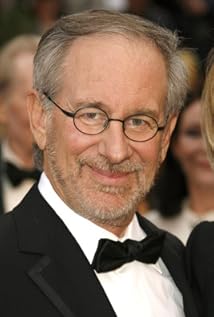
      Case Study: Steven Spielberg

      Image result for steven spielberg

      Steven Spielberg is an American director, producer, screenwriter and editor. Some of his most famous films include; E.T the Extra Terrestrial, Jaws and Schindler's List. In total, Spielberg has credit for directing 56 films, TV shows and shorts and 160 for producing. Spielberg's films are seen as archetypes of Hollywood escapist film making, he also makes films that address more humanistic issues such as; the civil war (Lincoln), the holocaust (Schindler's List), war (Saving Private Ryan), transatlantic slave trade (Amistad), and terrorism (Munich). Spielberg's films often feature normal people coming into contact with extraordinary beings (aliens,dinosaurs) or being in extraordinary situations. Examples of these include; ET the Extra Terrestrial, Indiana Jones and Jurassic Park

      Image result for steven spielberg film posterImage result for steven spielberg film posterImage result for steven spielberg film poster
      In Steven Spielberg's movies he uses a lot of long takes (Scenes taken in one long continuous shot). Some examples of these and how long they lasted include;
      • Minority Report (1:13)
      • Jurassic Park (1:19)
      • Raiders Of The Lost Ark (1:26)
      • War Horse (1:38)
      • Saving Private Ryan (1:41)
      • Jaws (1:43)
      • Schindler's List (2:15)
      • The Adventures of Tintin (2:32)
      Spielberg disguises these shots so that the audience can concentrate on the drama of the scene and not of the energy of the camera.
      In Spielberg's movies he also uses a lot tracking shots combined with zoom which is when the camera zooms in to the subject as well as tracking its movements, these are usually medium shots which zoom in to close ups. He uses these to show the significance of a character or an object.
      Spielberg commonly uses over the shoulder shots that make the audience seem claustrophobic. This can be because of the object/ person in the foreground is taking up an uncomfortable amount of space which pushes the main character up against the side of the screen, this emphasizes a particular moment in the film and its importance.
      Another technique that Spielberg uses is the use of mirrors to emphasize characters. This emphasizes the character as they take up the entire screen with different reflections showing they are the most important on the screen.
      Many Spielberg films include shots which consist of dark silhouettes against back lighting, these are usually used during scenes of intense but quiet drama, such as when characters are hiding. Spielberg also frames shots so that they are looking at the subject through another object.
      Spielberg commonly frames shots through simple shapes such as rectangles and circles but he also commonly frames shots through people (such as under arms, etc.)


      Monday, 28 November 2016

      Marketing and Distribution

      To make a film successful, you need to have a successful marketing campaign. The marketing campaign is organised by the distribution company.
      The roles of the distribution company include:

      • Deciding what films get made
      • Make sure as many people as possible see the film
      • Negotiating the release date of the film and the site of exhibition
      • Sends trailers to cinemas
      • Negotiates budget and pays for advertising and marketing
      The exhibition of film primarily involves the ownership, management and operation of cinemas. The distribution companies relationship with the exhibition involves:
      • Securing a contract which agrees the percentage of gross ticket sales are sold to the distributor
      • Divides the rest of the money between; the cinema, the production company and 3rd party agents
      • Observes exhibition (screening times, etc.)
      • Makes sure prints are returned to stop illegal downloads
      The main aspects of marketing and distribution are advertising through;
      • The media (this includes putting trailers on social media, adverts on TV, websites, posters, etc.)
      • Market research throughout the making and distributing of the film 
      • PR (Public relations)(interviews, appearances, maintaining a brand image)
      • Point of Sale (posters in cinemas, etc.)
      All media (media, TV, print and music) are owned by a company who own the right to publish and distribute it to make a profit. When a book, comic or a play is made into a film, the rights have to be bought as it is their "intellectual property" (The rights to make the first 4 Harry Potter films were bought for $1 dollars

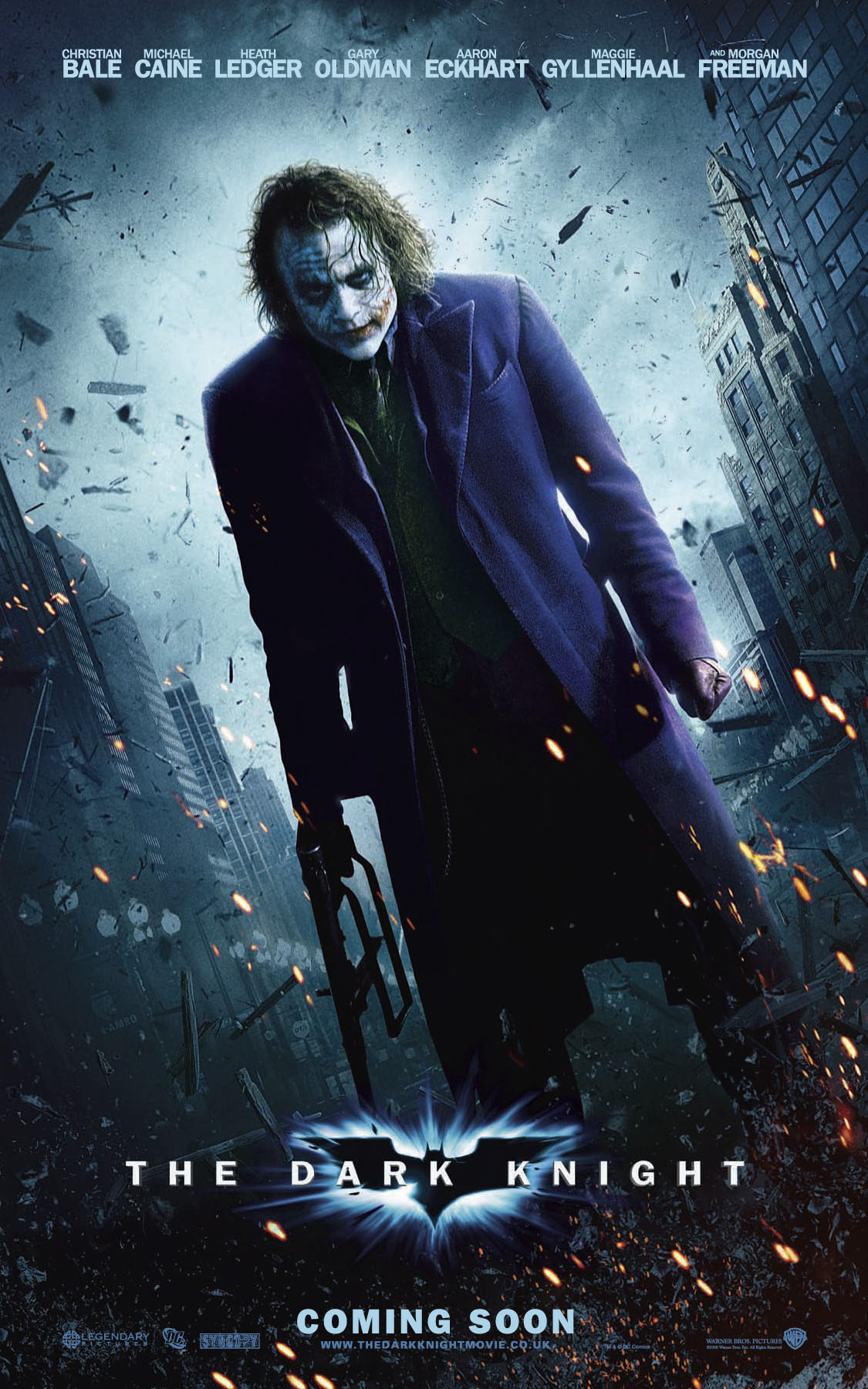
      The Dark Knight 

      The Dark Knight was released in 2008 and was part of the Batman reboot of what became a trilogy with Christian Bale playing Batman. The Dark Knight was directed by Christopher Nolan. The Dark Knight has one of the most elaborate marketing strategies to date as Warner Bros used all kinds of media including "cross media convergence". The opening sequence was shot using IMAX technology, this was the first time that a major feature film was shnot on IMAX cameras, breaking box office records for IMAX and bringing in about $6.3 million from 94 cinemas in the US and Canada over the opening weekend. The Dark Knight cost about £14.5 million to make overall. It was distributed to 4,366 cinemas all over the US and Canada. Warner Bros tried to prevent piracy but after 38 hours of the film being released an illegal downloadable copy was put online. The film was released on DVD and there was 5 versions released, these were;

      • A one disc DVD
      • A two disc special edition DVD
      • A two disc blu ray edition
      • A special edition blu ray with a statuette of Batman
      • A four disk Batman Begins/ The Dark Knight edition DVD
      At the film premier instead of the traditional red carpet the carpet was black and the cast and crew dressed in black in honour of the late Heath Ledger who played the Joker in the film. Outside of the premier was the Batmobile.

      The Dark Knight Marketing Campaign

      A teaser trailer was released during showings of I Am Legend
      Film Posters were released to promote the film
      Image result for the dark knight postersImage result for the dark knight posters
      Warner Bros set up a viral marketing campaign to promote the release of the film. This included setting up a website for the films fictional newspaper called "The Gotham Times". This interested fans as they had to earn what they wanted as fans had to send emails to reveal the first official photo of the Joker. 42 Entertainment sent fans on a scavenger hunt to unlock a teaser trailer. Fans had to uncover clues at certain locations across the US and take photos. This revealed a new photo of the Joker and an audio clip. Fans could also submit photos of themselves dressed as the Joker and get sent a copy of the fictional newspaper "The Gotham Times". Burger King linked up with The Dark Knight to producer a burger called the Dark Whopper and also released toys with the kids meals
      A Batman game called Arkham Asylum was released and became the biggest selling game of the year and benefited the release of the film. On the Warner Bros shop there was Batman merchandise released for fans to buy. These included shirts and hoodies to phone cases and cups.


      Saturday, 26 November 2016

      Draft Storyboard for Thriller Opening


      To help me decide what camera shots that I am going to use in my thriller opening I made a storyboard to show what shots I am going to use. I have included drawings of the shots, descriptions of the shot types and a brief description of what is happening in the shot. In my opening I am using a variety of different camera angles and movements. This is the first draft of my storyboard for my thriller opening. Due to the work schedules of the actors there may be slight changes to the storyboard such as characters but overall most of it should stay the same.


      Friday, 25 November 2016

      Draft Screenplay for Thriller Opening

      When I was started planning my thriller opening I decided on a plot that I wanted it to follow, because of this I decided to write a screenplay so i know exactly what is going to happen in it and what each character was going to do/ say. This is my first draft of the screenplay for my thriller opening. I have not yet added the camera shots that i will be using as i am going to make a storyboard first to decide what camera shots to use before i add them to my screenplay.


      Thursday, 24 November 2016

      Textual Analysis: Shutter Island

      In the opening credits of Shutter Island the first shot that we see is a medium shot of a dark narrow corridor with two dim lights hanging from the ceiling . Low key lighting is used in  this shot which creates mystery as this is a typical thriller convention. At the end of the corridor we see what appears to be an empty cell, this could suggest the setting of the rest of the film.
      In the bottom right hand of the screen we can see some titles. the typography of the titles is a red font that is difficult to read, making it look old and creepy which could fit with the plot of the film and also fits with the typical conventions of thriller films.
      The next shot that we see is a spinning shot of a spiral staircase. This adds an element of confusion to the shot as we cannot see clearly. this could foreshadow events later on in the film suggesting there is an element of confusion or illusion in the film.
      The next shot that we see is a medium shot with the camera slowly tracking inwards. The non diegetic music adds a sense of anxiety and makes the audience wonder what will happen next and what is beyond the door. the mise en scene shows a barred door with light coming through it. This could be interpreted a senic code suggesting there is danger beyond the door.
      The next shot in the title sequence is a close up shot of a hand/ The identity of the person is not revealed which creates a mysterious atmosphere as we do not know who the hand belongs to.
      The next shot that we see is a shot of a gate. This gives the audience an idea of where the film will be set. This also creates suspense as we do not know what is behind the gates. The lighting which is used in this shot is dark which adds to the gloomy atmosphere that has been created with the previous shots.
      There is a then a shot of a room resembling a jail cell. This gives the audience another clue as to where the film will be set. There are handcuffs/ chains attached to the wall connoting danger and also suggesting that they are in more of a psychiatric facility rather than a jail.

      There is then an establishing shot of a dark gloomy lake on an isolated island. This gives the audience a sense of isolation as they cannot see anything moving and it seems like the place is isolated. This creates suspense and mystery as the audience sees that the film will be set on a deserted island and with clues from the previous shots it will center around an abandoned jail/ psychiatric facility.


      Wednesday, 23 November 2016

      Screenplay

      The role of a screenplay is to show both actors and crew what is going to happen in a scene. A screenplay includes actors speech and acting instructions as well as camera shots and scene directions. The main difference between scripts and screenplays is that scripts are usually for theaters and plays where as screenplays are specifically for the film industry. Generally the length of the screenplay is about the same length of the film as one page of screenplay is equal to one minute fo screen time.
      When making a screenplay you need to include;

      • Location, whether you are inside or outside and time of day (EXT. SCHOOL YARD - DAY)
      • An introduction of the key characters; a brief description of what they look like
      • Dialogue between characters.
      • Camera shots and movements in each shot.

      As an example we looked at the screenplay for Jaws and despite the screenplay being written in great detail, it was clear there were a lot of differences between the screenplay and the finished product. For example, a lot of the shots are either missing or have been changed and the shot of her being bitten by the shark is more subtle compared to the description in the screenplay, showing that screenplays are not the finished product and can still be changed post production.

      Monday, 21 November 2016

      Article on Disability

      In the article from "The Independent" titled " "Mock the disabled? Me?: Ricky Gervais on how he has been misunderstood" it explains how comedian Ricky Gervais wrote a tweet which was seemed derogatory towards people with down syndrome. Gervais used the word "mong" in one of his tweets and received backlash from his fans and from the media. This shows how over time words have changed meaning over time to become derogatory. "Mong" is an example of how the meaning of words have changed over time as the original meaning of the word was a shortened version of the word "mongrel" which means "any animal resulting from the crossing of different breeds or types" but over time has become a derogatory term for the way people with downs syndrome speak or act. Despite Ricky Gervais being known for highlighting the discrimination against disabled people, using a word which is now used to insult disabled people has caused people to be angry at him accuse him of "mocking the disabled".
      Image result for ricky gervais mong tweet

      (http://www.independent.co.uk/arts-entertainment/comedy/features/mock-the-disabled-me-ricky-gervais-on-how-he-has-been-misunderstood-7621909.html)

      Screenplays/ Scriptwriting


      One of the most important parts of film making is the screenplay as it shows the directors, producers and the editors what the film is meant to look like, this includes the script, the mise-en-scene and the camera shots. The role of a screenwriter is to create the script for the film. The font that is used for screenplays is always the same as one page of screenplay is the same as one minute of screen time so the same font is used on all screenplays so that this remains true. The font and size for screenplays is 12pt and the font is 'Courier'. Below is a template for screenplays with labels for each part of the screenplay.
      There are different elements that are needed to make a successful screenplay, some of these include;

      • Scene Heading: Indent: Left: 0.0" Right: 0.0" Width: 6.0" (A one line description of the location and time of day, should always be in CAPS. Example: EXT. SCHOOL ENTRANCE - DAY, this shows that its outside the school entrance during the day)
      • Action: Indent: Left: 0.0" Right: 0.0" Width: 6.0" (Narrative description of the events of a scene, written in present tense)
      • Character: Indent: Left: 2.0" Right: 0.0" Width: 2.0" (When a character is introduced his name should be capitalised within the action. For example, The door opens and in walks JADEN, a teenager with a bad taste in fashion) shade
      • Dialogue: Indent: Left: 1.0" Right: 1.5" Width: 3.5" (Speech for each character. Used anytime a character is heard speaking on or off screen or even for voice overs)
      • Extension: Placed after the characters name, in parentheses to indicate how the voice will be heard on screen. For example (V.O) is Voice over
      • Transition: Indent: Left: 4.0" Right: 0.0" Width: 2.0" (Film editing instructions, includes; CUT TO, DISSOLVE TO, FADE TO, etc.
      • Shot: Indent: Left: 0.0" Right: 0.0" Width: 6.0" (What camera shot is used)
      Below is where some of the above should be in a screenplay

      Learn how to write a screenplay with this exclusive script writing example and other essential screenwriting tips all from the Writer's Store!

      Saturday, 19 November 2016

      Introduction to Thriller Opening

      As the main task for AS Media Studies we have to plan and film the opening to a thriller film. I have decided that for this thriller I am going to work on my own and plan the thriller as well as film and edit it. I enjoy watching TV shows of the thriller genre so I know a lot of the conventions of the thriller genre, also I researched the typical conventions that you would see in a thriller. I have decided on a rough idea for the plot and have found people who have agreed to star in it. The thriller will star Dane who will play a teenager/ young adult who witnesses a friends murder and throughout the film it will be revealed that everything is not as it seems. The film will star Dane as the main character and Chelsea as the murder victim.

      Thursday, 17 November 2016

      Textual Analysis: Se7en

      In the opening of Se7en there is a variety of different shots used, when the main character (played by Morgan Freeman) is collecting his things to connotes that his life somehow revolves around precision or being organised. An over the shoulder shot is used when Freeman is adjusting his tie, this shows that he takes pride in his appearance and looking precise. When both Freeman and the other detective (played by Brad Pitt) are walking down the street, Freeman always seems to be walking slightly in front of him, showing that Freeman is more important/ has a more authoritative position in his occupation. When Freeman is laying in his bed there is a continuous ticking noise coming from the metronome, this could connote that his characters time is running out and possibly foreshadow an event further on in the film. During the opening credits of the opening there are many different types of camera shots, there are many close ups in the opening credits which show what is happening and to give insight as to what is going to happen later on in the film.

      In the opening of the scene there is use of high key lighting, this is to show that the movie starts in equilibrium as nothing has gone wrong and everything seems okay, but this changes once Freeman leaves to go to work as suddenly the saturation decreases and low key lighting is used as a dead body covered in blood is revealed. The clothing that each of the detectives wear help build the characters personalities. Freeman's character is wearing a suit, which shows that he is smart and sophisticated, on the other hand, Pitt's character wears a more casual smart outfit consisting of a shirt and tie with a leather jacket, showing that he is more relaxed compared to the other.

      Throughout the opening scene of the film there is lots of diegetic sound used, this shows that the film is set in a busy environment. Some of the diegetic sounds used include footsteps and police sirens, this shows that there is a lot of crime where the film is set and that thy have busy jobs. When Freeman is in his room and the metronome is ticking, the diegetic sound is enhanced, this emphasizes how quiet his room is and that time is passing around him. During the title sequence there are a lot of discordant sounds and use of interference, this fits with the genre of the film as it is unsettling and makes the audience uncomfortable.

      In general the editing of the opening scene is fast paced, this can be shown by the use of jump cuts and cutaways, which connotes that the rest of the film will be fast paced as well. In the title sequence there is a lot of editing used, such as using monochrome colours which creates a sinister undertone to it. The opening sequences editing gives the audience an idea of what the rest of the film will be like, for example the use of white text on a black background makes it stand out. The typography used in the title sequence also hints towards that the film will be about. The font used for the opening of the film looks hand written and scruffy, which creates an eerie vibe for the film. The montage that is shown during the title sequence also gives us an idea of what the film is about and what the villain's objective is. The montage consists of small clips which creates mystery as you do not get a clear idea of what is happening creating an unsettles mood.

      Wednesday, 16 November 2016

      Lighting Techniques and Practice Task

      In media lighting can be used in many ways to create different effects, different lighting techniques can create different moods and create and ease tension. There are different lighting techniques which can be used to create different moods or effects, such as;
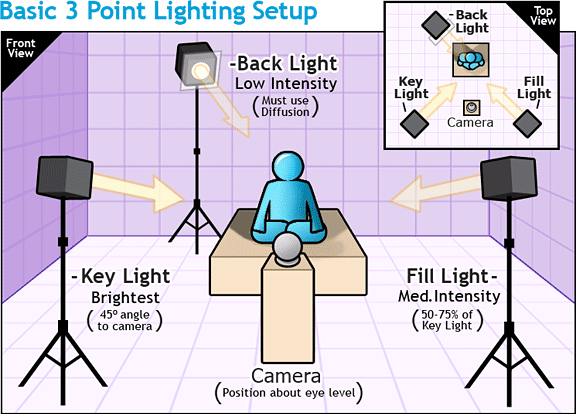
      • 3 point fill lighting - 3 lights are used to create a normal looking scene with soft/ minimal shadows and average coloursImage result for 3 point lighting
      • Chiaroscuro lighting - Harsh lighting that creates an extreme contrast between different areas of the shot, such as a characters face. Can be used with colour, but also in black and white for a different feed. Common in horror, dramas or any other type of film where the atmosphere plays a vital role

      • High key lighting - Uses harsh bright lights to reduce contrast in a scene, giving it a white-washed, clean look that doesn't have a/ has minimal shadow in-frame
      Image result for lily rabe photoshoot
      (We didnt have time to take a photo to show high key lighting so instead here is queen Lily Rabe)
      • Low key lighting - Opposite of high key lighting as it uses dark/ minimal lighting to create contrast in the scene and creates a dark mood/ atmosphere as it is difficult to see which creates tension, often used in horrors to create this kind of atmosphere.

      • Back-lighting -  When a scene is lit directly from behind, usually by natural lighting which creates silhouettes, commonly used in romantic films
      Image result for backlighting
      • Artificial lighting - Comes from man made sources, such as light bulbs and fluorescent lights, often have a blue. gray hue or a harsh yellow/ orange hue
      Putting lights in different places in the shot can create different effects and also contribute to people perceptions of particular characters, For example, if you place a light below the characters face then they will seem scary or sinister.
      If the light is placed above the character can create mystery in a scene as some of the face is concealed by shadows
      Adding a coloured lens/ filter to a scene can create a mood to the scene. For example, a blue tint to a scene can create a serious atmosphere and can make the character/ the situation seem cold


      Tuesday, 15 November 2016

      Conventions of the Thriller Film Genre

      The thriller is a broad genre, consisting of literature, film, gaming and television. There are many elements which make up a thriller film. Such as it being; fast paced, frequent action and heroes who foil the villains plans. There are many conventions that make up what most people would consider a classic thriller film. For example, the colour of the film will be grainy/ washed out, most of the scenes have low key lighting and have many shadows that the villain can hide in/ conceal themselves in. There are many typical sounds that are usually in most thrillers, such as footsteps, dripping water, creaky doors and ringing phones.
      There are many sub genres that fit under the overall genre of thriller. A few examples of these are;
      • Spy Thrillers: The protagonist is usually an agent who must take action (usually violent) against rival agents or (recently) terrorists (James Bond, Mission Impossible)
      • Psychological Thrillers: A conflict between the protagonist and the antagonist which is mental and emotional, rather than physical (Gone Girl, House At the End Of The Street)
      • Conspiracy Thrillers: Where the protagonist is against a large, powerful group of enemies and is the only one who knows their true objective. (The Insider, Utopia)
      • Supernatural Thriller: Where supernatural elements are mixed in with the typical thriller conventions (The Sixth Sense, Frequency)
      • Legal Thrillers: Where the main characters are usually lawyers or work in law (Hostile Witness, The Lincoln Lawyer)
      Thrillers often overlap with mystery stories and the crimes that are committed are usually of a grand scale (mass murder, assassination). They often take place wholly or partially in exotic or dramatic settings such as foreign cities, deserts, airports or churches. The climax of the film is usually when the mystery is solved and the hero beats the villain and saves his own life or the lives of others in the process.

      Thursday, 10 November 2016

      Textual Analysis: The Fall

      Although I completed this as part of my study of the representation of gender for my AS exam, it is relevant to the my coursework as, in planning for this, I will need to consider how the representation of gender is constructed through the use of camera shots, mise-en-scene, editing and sound. This will hopefully enable me to represent characters in a variety of different ways in my film opening.

      Monday, 7 November 2016

      Practicing Using After Effects

      To improve our thriller opening sequences and improve our titles we had the task of adding titles to some film. We could have have added titles to either 'The Fall' or we could add them to our preliminary task. When i was creating mine I used 3D text, 3D motion tracking and the "rotobrush" tool to hide text behind other objects or to make the text move with the camera, an example of these are when the door is opened and the text is hidden behind the door or when the camera pans and the text is on the cupboards door. This is the final result of me practicing After Effects. Enjoy!